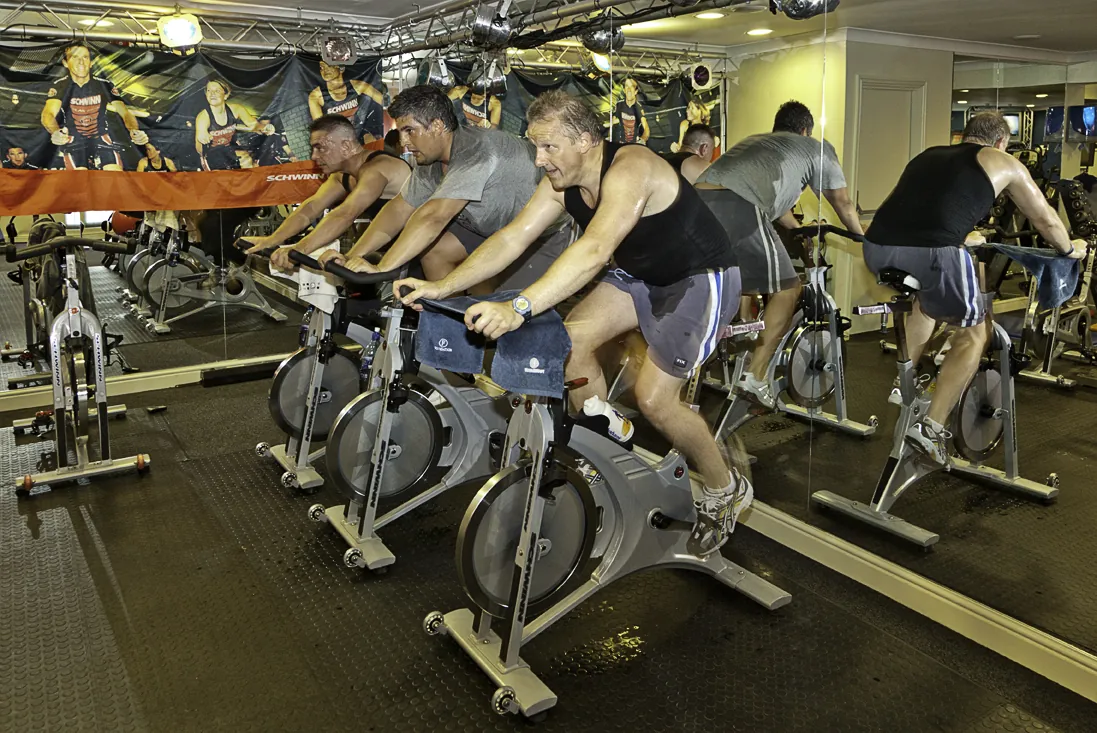
A non-faddish approach to eating, drinking and recovery around rides, with emphasis on context and individual needs. The purpose of this guide is to help recreational and fitness cyclists doing longer or more frequent rides make a decision that still feels sensible after the first few rides. It focuses on observable trade-offs, ordinary UK conditions and maintenance or safety implications, without pretending there is one perfect bicycle, setup or routine for everyone.
A practical decision checklist
- Eat normally before short easy rides rather than inventing rituals
- Carry accessible food on longer rides
- Start with enough fluid for the planned route
- Know where refills or shops are available
- Eat a balanced post-ride meal
- Seek professional advice for medical or persistent nutrition concerns
Match fuelling to ride demand
A short easy ride after a normal meal may need little special preparation; long or hard sessions require more deliberate carbohydrate and fluid planning. Context prevents both overcomplication and underfuelling. The useful way to think about this is practical rather than aspirational. For recreational and fitness cyclists doing longer or more frequent rides, this means checking the choice against the route and the ordinary constraints of ownership rather than treating one specification as a universal answer. The decision becomes easier when the rider separates what happens on most rides from what might happen once or twice a year.
In practice, work from observable evidence. A short test, a measurement, a known hill, the space available at home or a simple pre-ride check tells you more than a marketing label. Useful prompts here include eat normally before short easy rides rather than inventing rituals, carry accessible food on longer rides. The aim is not to optimise every variable; it is to choose a setup that remains predictable when the rider is tired, the weather changes or the journey becomes slightly more demanding.
A common mistake is copying professional race fuelling for a short commute. Avoiding that error usually costs less than correcting it later, and it keeps the bicycle easier to live with. If two options seem equally suitable, favour the one you can understand, maintain and use confidently. That principle is deliberately ordinary, but ordinary reliability is what turns occasional cycling into a repeatable habit.
Drink according to conditions and access
Heat, clothing, intensity, individual sweat rate and ride duration all change fluid needs. Plan where bottles can be refilled rather than relying on one fixed formula. This is where small details change the quality of ownership. For recreational and fitness cyclists doing longer or more frequent rides, this means checking the choice against the route and the ordinary constraints of ownership rather than treating one specification as a universal answer. A specification that looks minor on a product page can become the thing you notice every morning once the bicycle is part of a routine.
In practice, work from observable evidence. A short test, a measurement, a known hill, the space available at home or a simple pre-ride check tells you more than a marketing label. Useful prompts here include carry accessible food on longer rides, start with enough fluid for the planned route. The aim is not to optimise every variable; it is to choose a setup that remains predictable when the rider is tired, the weather changes or the journey becomes slightly more demanding.
A common mistake is waiting until completely depleted before eating. Avoiding that error usually costs less than correcting it later, and it keeps the bicycle easier to live with. If two options seem equally suitable, favour the one you can understand, maintain and use confidently. That principle is deliberately ordinary, but ordinary reliability is what turns occasional cycling into a repeatable habit.
Recovery starts with ordinary meals
After training, a balanced meal containing carbohydrate, protein and micronutrient-rich foods can support recovery. Supplements are not a substitute for an adequate everyday diet. There is no universal setting that works for every rider. For recreational and fitness cyclists doing longer or more frequent rides, this means checking the choice against the route and the ordinary constraints of ownership rather than treating one specification as a universal answer. Body position, route, weather, load and confidence all influence what feels appropriate, so adjustment should begin conservatively.
In practice, work from observable evidence. A short test, a measurement, a known hill, the space available at home or a simple pre-ride check tells you more than a marketing label. Useful prompts here include start with enough fluid for the planned route, know where refills or shops are available. The aim is not to optimise every variable; it is to choose a setup that remains predictable when the rider is tired, the weather changes or the journey becomes slightly more demanding.
A common mistake is ignoring hot weather because the route is familiar. Avoiding that error usually costs less than correcting it later, and it keeps the bicycle easier to live with. If two options seem equally suitable, favour the one you can understand, maintain and use confidently. That principle is deliberately ordinary, but ordinary reliability is what turns occasional cycling into a repeatable habit.
Use symptoms as feedback
Persistent dizziness, unusual fatigue, gastrointestinal problems or repeated cramping deserve attention. Riders with medical conditions or specific dietary needs should seek individual advice from qualified professionals. Good cycling systems remove avoidable decisions. For recreational and fitness cyclists doing longer or more frequent rides, this means checking the choice against the route and the ordinary constraints of ownership rather than treating one specification as a universal answer. When equipment, technique and routine are predictable, attention can stay on traffic, terrain and the experience of riding.
In practice, work from observable evidence. A short test, a measurement, a known hill, the space available at home or a simple pre-ride check tells you more than a marketing label. Useful prompts here include know where refills or shops are available, eat a balanced post-ride meal. The aim is not to optimise every variable; it is to choose a setup that remains predictable when the rider is tired, the weather changes or the journey becomes slightly more demanding.
A common mistake is using supplements to compensate for poor overall diet. Avoiding that error usually costs less than correcting it later, and it keeps the bicycle easier to live with. If two options seem equally suitable, favour the one you can understand, maintain and use confidently. That principle is deliberately ordinary, but ordinary reliability is what turns occasional cycling into a repeatable habit.
Common mistakes and how to avoid them
1. Copying professional race fuelling for a short commute
Treat this as a systems problem rather than a single-component problem. The bicycle, rider, route, storage, weather and maintenance routine interact. For this guide, the practical reference point is eat normally before short easy rides rather than inventing rituals; a change is worthwhile only when it makes that real-world requirement easier without creating an unacceptable new compromise.
2. Waiting until completely depleted before eating
In this topic, the mistake matters because it conflicts with the actual job the bicycle or riding routine needs to do. For recreational and fitness cyclists doing longer or more frequent rides, the better response is to return to the constraint behind the decision, test the smallest practical adjustment and judge the result over several normal rides. That is more informative than changing several parts or habits at once.
3. Ignoring hot weather because the route is familiar
The problem with this shortcut is not that it always fails; it is that it hides the trade-off. In recovery, fuelling and hydration for everyday cyclists, that trade-off should be checked against start with enough fluid for the planned route. A rider can then compare comfort, control, maintenance effort and day-to-day convenience using the same route or task rather than relying on a first impression.
4. Using supplements to compensate for poor overall diet
This can look sensible in isolation, yet it often creates a second problem elsewhere. A useful correction is to ask how the choice affects know where refills or shops are available. Keep the experiment reversible where possible, record what changed and retain the original setup until the new approach has proved itself in ordinary use.
A realistic example
A two-hour steady weekend ride may be managed with breakfast, water and a simple carbohydrate snack, while a much longer ride needs a more deliberate plan. The exact amount depends on the person, effort, conditions and tolerance rather than a universal menu.
The useful part of this fitness & skills example is the order of decisions rather than the exact equipment or numbers. It begins with the dominant use, tests the limiting constraint and keeps carry accessible food on longer rides visible while the rider learns from ordinary journeys. That sequence makes later changes easier to justify because each adjustment has a specific problem to solve instead of being an upgrade in search of a purpose.
Build a routine you can repeat
For recovery, fuelling and hydration for everyday cyclists, a workable routine should survive a busy week, mixed weather and imperfect motivation. Anchor the routine around start with enough fluid for the planned route; prepare the items that repeatedly cause delays, and make the essential safety check short enough to happen before a normal ride. Deeper cleaning, route planning or setup work can then be scheduled separately rather than competing with the moment you need to leave.
Review this particular setup after several representative rides. Use match fuelling to ride demand as one observation point and note any recurring discomfort, mechanical noise, route stress or practical friction. If the same issue appears repeatedly, compare it with the checklist item ‘seek professional advice for medical or persistent nutrition concerns’. Patterns across normal rides are more useful than a single first impression, and they give a shop, fitter, coach or riding companion a clearer problem to discuss when outside help is useful.
Questions to resolve before the next ride
What should come first when applying this fitness & skills guide?
Start with “eat normally before short easy rides rather than inventing rituals”. In recovery, fuelling and hydration for everyday cyclists, that item acts as a reality check before secondary preferences enter the decision. Then compare it with “carry accessible food on longer rides”. If the two point in different directions, return to the journey or task that occurs most often and solve that before optimising occasional use.
Why does match fuelling to ride demand deserve separate attention?
A short easy ride after a normal meal may need little special preparation; long or hard sessions require more deliberate carbohydrate and fluid planning. Context prevents both overcomplication and underfuelling. That point is especially useful here because it can be observed on a normal ride rather than inferred from marketing language. Record what actually happens, then compare the result with “seek professional advice for medical or persistent nutrition concerns” so the decision stays connected to day-to-day ownership rather than a single impressive feature.
Which mistake is easiest to overlook in this situation?
“Copying professional race fuelling for a short commute” is an easy trap because it can appear reasonable before the wider consequences are visible. A second warning sign is “waiting until completely depleted before eating”. For this specific guide, use drink according to conditions and access as the cross-check: Heat, clothing, intensity, individual sweat rate and ride duration all change fluid needs. Plan where bottles can be refilled rather than relying on one fixed formula. That gives the rider a concrete alternative to guesswork.
When is outside help the better option?
For recovery, fuelling and hydration for everyday cyclists, use an appropriately qualified coach for structured performance work and a health professional for injury, pain or concerning symptoms. General online guidance is most useful for framing questions and recognising patterns; it should not encourage a rider to improvise on a task where an error could create a hidden safety, legal, electrical or health risk.